
Advancing Skin Health: A Review of Medical Adhesive Technology and MARSI Prevention
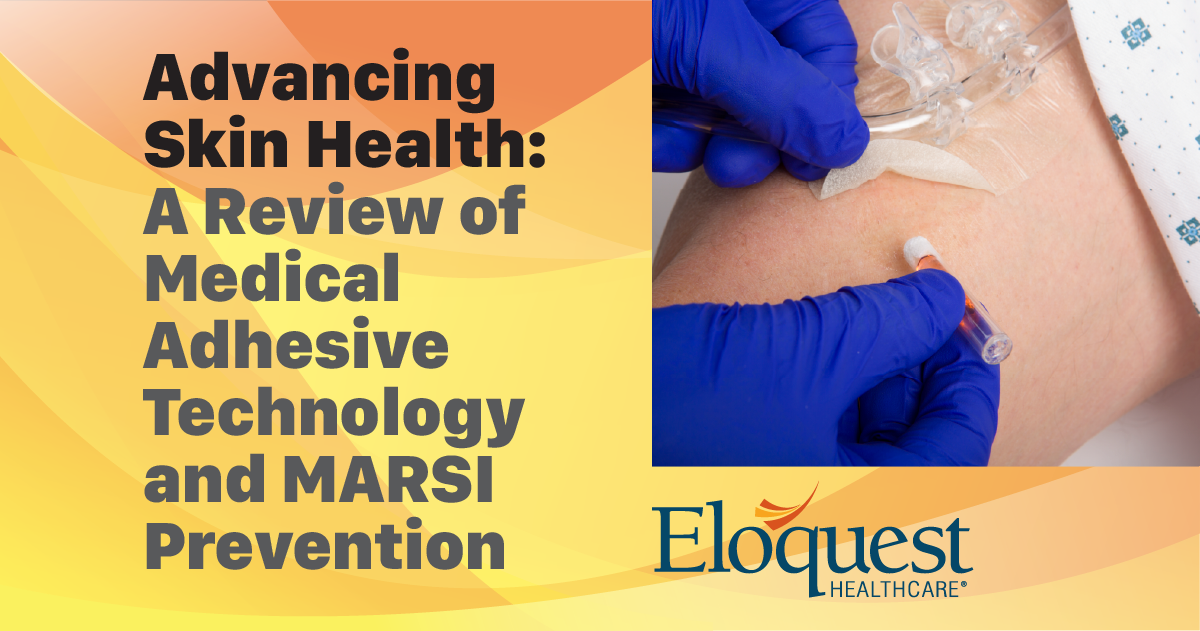
Medical adhesives are foundational tools in healthcare, used to secure everything from wound dressings to catheters and other essential devices. While these adhesives are indispensable for proper care, their use can sometimes lead to complications, particularly medical adhesive-related skin injuries (MARSI). MARSI can cause discomfort, disrupt the skin’s barrier function, and even lead to secondary infections, underscoring the need for awareness and prevention. A recent review by Holm, Schommer, and Kottner, published in the Journal of Wound, Ostomy and Continence Nursing, explores the intricacies of medical adhesive technologies and offers strategies for mitigating the risk of MARSI. Here’s what you need to know:
What Is MARSI and Why Does It Matter?
MARSI occurs when medical adhesives damage the skin during application or removal. It can manifest in several ways, including mechanical skin injuries, allergic reactions, or skin stripping. These injuries are not only painful for patients but can also complicate treatment by increasing the risk of infection, prolonging hospital stays, and driving up healthcare costs. MARSI is particularly prevalent among vulnerable populations, such as older adults, neonates, and patients with compromised skin integrity.
The problem often arises from a mismatch between the adhesive’s properties and the patient’s skin condition or from improper application and removal techniques. Despite its preventable nature, MARSI remains underreported, making it a silent yet significant issue in clinical practice.
Key Insights into Medical Adhesive Technology

Medical adhesives are not one-size-fits-all; they must be chosen with an understanding of the clinical stakes. In cases involving critical medical devices—such as central venous catheters or endotracheal tubes—the consequences of device dislodgement far outweigh the risks of potential skin damage. For these scenarios, adhesives with higher securement strength are not just preferred; they are essential.
The paper categorizes adhesives by their securement capacity and skin impact, emphasizing that the selection process should hinge on the intended purpose and clinical environment. For example:
- Critical Devices: These require adhesives with maximum securement strength to prevent dislodgement, which could lead to severe complications such as bleeding, infection, or device failure. While these adhesives may carry a higher risk of MARSI, their use is justified when patient safety and treatment efficacy are at stake.
- Intermediate Devices: For devices like peripheral IV catheters or wound dressings, a balance is necessary. Securement must be strong enough to maintain device stability but gentle enough to protect fragile or compromised skin.
- Non-Critical Applications: In cases where the stakes are lower, such as securing monitoring electrodes, skin-friendly adhesives with minimal securement strength can reduce the risk of MARSI while fulfilling their purpose.
This tiered approach highlights a critical point: healthcare providers must weigh the risks and benefits of adhesive choice on a case-by-case basis. When the outcome of losing a device is significant, such as with vascular access devices or lifesaving medical equipment, choosing a secure adhesive can prevent worse outcomes, even if it necessitates the addition of an adhesive remover to mitigate MARSI risks.
Best Practices for MARSI Prevention

Preventing MARSI begins with understanding the patient’s skin health and tailoring adhesive use to individual needs. The review outlines several best practices:
- Comprehensive Skin Assessment
Before applying any adhesive, healthcare providers should evaluate the patient’s skin for sensitivity, pre-existing conditions, or signs of previous injuries. Recognizing risk factors, such as advanced age or chronic illnesses, can guide adhesive selection. - Selecting the Right Adhesive
The choice of adhesive should align with the clinical requirements. For example, stronger adhesives may be necessary for critical devices and/or high-moisture environments. - Proper Application Techniques
Applying adhesives correctly ensures both securement and skin safety. Techniques such as avoiding stretching the skin, ensuring even pressure, and eliminating wrinkles or air bubbles are foundational. Additionally, selecting an adhesive that balances secure attachment with an appropriate moisture-vapor transmission rate (MVTR) is crucial. Adequate MVTR prevents moisture buildup under the adhesive, reducing the risk of maceration and skin damage, especially for long-term applications. This careful consideration enhances patient comfort and minimizes dressing disruptions. - Gentle Removal Practices
Removing adhesives slowly and in the direction of hair growth can prevent skin stripping. Using adhesive removers can further reduce the risk of injury, especially for patients with compromised skin. - Education and Training
Educating healthcare teams about MARSI prevention and adhesive technologies can improve outcomes. Providing resources and hands-on training ensures adherence to best practices.
Balancing Securement and Skin Safety

The review by Holm and colleagues underscores the critical role of selecting the appropriate adhesive to ensure clinical outcomes are maintained without compromising patient safety. The choice of adhesive should always align with the device’s purpose, the patient’s skin condition, and the clinical context.
For critical devices, where the consequences of dislodgement are severe, high-strength adhesives are essential to achieving securement and preventing complications.
Equally important is planning for safe removal. The availability of effective adhesive removers is vital to minimizing the risk of MARSI during removal, especially when high-strength adhesives are used. These removers allow clinicians to safeguard skin integrity while maintaining the benefits of securement throughout the device’s use.
By thoughtfully pairing the right adhesive with a reliable remover, healthcare providers can strike a balance between optimal device performance and patient comfort. This dual approach not only improves clinical outcomes but also fosters a safer, more patient-centered standard of care.
Eloquest Healthcare is committed to providing evidence-based solutions that reduce the risk of MARSI. Our portfolio of products is designed to support consistent dressing adherence while enabling gentle removal. For more information about Eloquest Healthcare’s catheter securement and skin protection solutions, please call 1-877-433-7626 or complete this form.